


The Role of Core Trays in Green Mining: How Sustainable Storage Supports ESG Goals
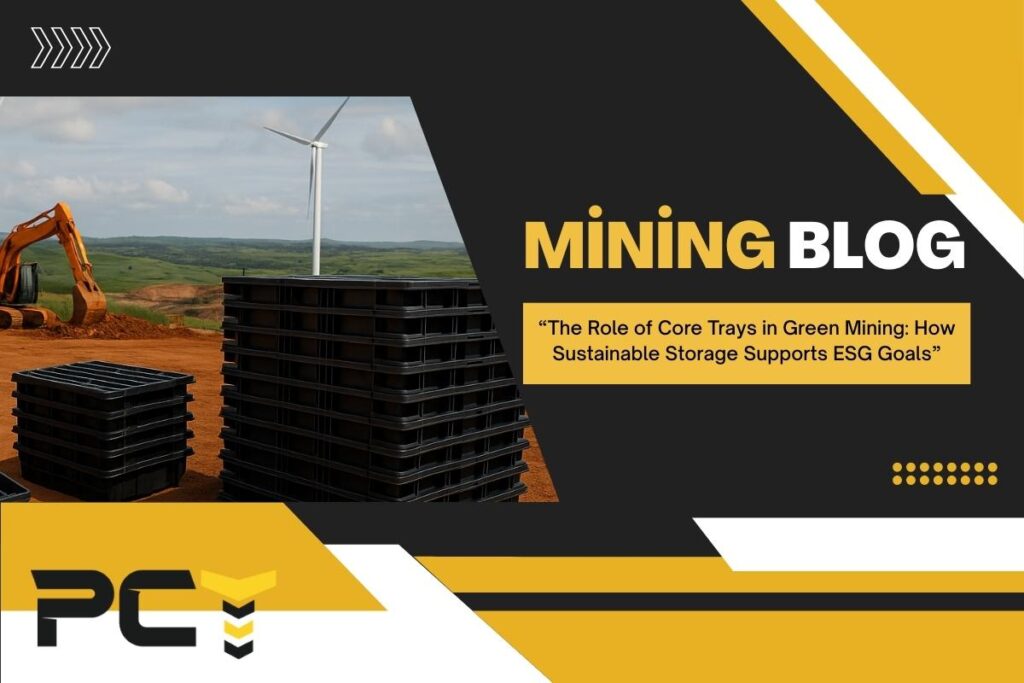
Mining is undergoing a profound transformation. Environmental, Social, and Governance (ESG) criteria are no longer optional—they are shaping investment decisions, operational strategies, and stakeholder trust across the industry. As pressure grows to reduce carbon emissions, manage resources responsibly, and protect communities, green mining is becoming the new standard.
While large-scale changes such as renewable energy adoption and water recycling systems often get the spotlight, smaller operational elements also play a crucial role. One of the most overlooked but vital components of a sustainable mining operation is the core tray—the backbone of geological sample storage and management.
Why Core Trays Matter in Mining
A core tray is more than a container. It safeguards drill core samples that often represent millions of dollars in exploration investment. Each tray holds geological evidence that informs mine planning, feasibility studies, and resource estimates. If samples are lost, contaminated, or degraded, the integrity of entire projects is at risk.
Traditional core storage relied on wooden boxes or wax cardboard trays. While inexpensive and locally available, they came with major drawbacks:
-
Wooden trays were heavy, prone to rot or termite damage, and could splinter, creating safety risks.
-
Cardboard trays were lightweight and cheap but collapsed easily when exposed to moisture or heavy cores.
These limitations pushed the industry toward plastic core trays, which are lighter, more durable, and resistant to water, chemicals, and UV radiation. Today, plastic trays are the global standard for safe, long-term geological sample storage.
Recycled Plastic: A Step Toward Sustainability
In recent years, sustainability has extended into material choices. Many manufacturers now produce plastic core trays from recycled polymers, reducing demand for virgin plastic and giving waste materials a new life.
This transition offers several ESG benefits:
-
Waste reduction: Thousands of tons of plastic are diverted from landfills and reintroduced into the supply chain.
-
Lower carbon footprint: Recycled plastics typically require less energy to process than virgin materials.
-
Circular economy contribution: Used trays can themselves be recycled, creating a closed-loop system.
For mining companies, switching to recycled plastic trays is a straightforward way to improve sustainability reporting while maintaining performance standards.
Environmental Impact: Lowering the Carbon Footprint
Sustainable core trays contribute to environmental goals in multiple ways:
-
Durability: A UV- and impact-resistant tray can last 30–40 years outdoors, compared to 5–10 years for wood and 1–3 years for cardboard. This dramatically reduces replacement needs and resource consumption.
-
Renewable energy in production: Some facilities operate with large-scale solar power plants, ensuring that tray manufacturing is powered by clean energy. A 7.3 MW solar system, for example, can offset the equivalent annual electricity use of thousands of households.
-
Transportation efficiency: Plastic trays are lighter than metal or wood, reducing fuel consumption during shipping and logistics.
Every tray that lasts decades instead of years represents less waste, fewer raw materials consumed, and lower greenhouse gas emissions.
Safety and Social Contributions
ESG also emphasizes worker safety and community impact. Plastic core trays offer social advantages that support these goals:
-
Safer handling: Ergonomic grip bars and smooth edges reduce injuries compared to heavy wooden boxes or sharp-edged metal containers.
-
Stable stacking: Interlocking rib structures prevent collapse, lowering the risk of workplace accidents.
-
Reduced physical strain: Lightweight design makes it easier for workers to transport trays, lowering injury risk.
On a community level, the use of recycled materials signals a company’s commitment to environmental responsibility, strengthening its social license to operate.
Core Trays and the Green Supply Chain
Green mining is not just about what happens at the pit—it extends across the supply chain. Equipment and consumables used in exploration and drilling also come under scrutiny. Plastic core trays made from recycled materials are a small but significant step in building a green supply chain.
Future trends in sustainable core tray design include:
-
Integration of digital technology: RFID chips and QR codes for automated tracking and inventory.
-
Closed-loop recycling systems: Returning end-of-life trays to manufacturers for reuse.
-
Advanced materials: Lightweight composites that further reduce transport emissions while maintaining strength.
Such innovations align with broader ESG goals and help mining companies demonstrate measurable sustainability progress.
Conclusion: Small Tools, Big Impact
The mining industry is evolving, and ESG standards are pushing companies to rethink every part of their operations. Plastic core trays may seem like a small piece of the puzzle, but their role in protecting valuable samples, reducing environmental impact, and improving worker safety makes them an essential part of the green mining movement.
By choosing recycled, durable, and renewable energy–powered products, mining companies can meet sustainability commitments while maintaining efficiency. In the bigger picture, every tray is more than a box—it’s a contribution to a cleaner, safer, and more responsible mining future.