


Core Box & Core Tray Size Guide: HQ, NQ, PQ and More
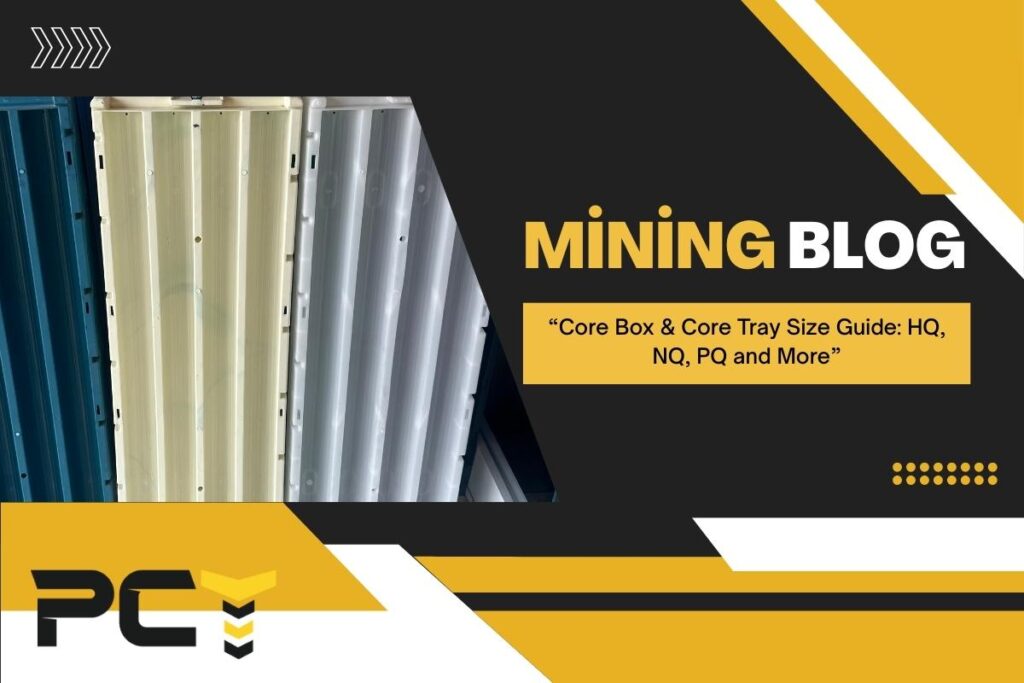
In geological drilling and mineral exploration, the choice of core boxes and core trays can significantly influence efficiency, sample integrity, and overall project cost. Selecting the correct size—whether HQ, NQ, PQ, or other dimensions—is not only about fitting your drilling method but also about ensuring long-term durability, storage efficiency, and sample safety. This comprehensive guide will walk you through the differences between core boxes and core trays, explain the various size standards, and provide practical recommendations for storage, transportation, and handling of core sample trays.
Understanding Core Boxes and Core Trays
Before comparing sizes, it’s important to differentiate between a core box and a core tray. While the two terms are often used interchangeably, there are subtle differences:
-
Core Box: Traditionally made from wood or metal, core boxes have enclosed sides and are often used for transporting core samples. They provide a more protective casing but tend to be heavier.
-
Core Tray: Usually made from durable materials like high-density polyethylene (HDPE) or recycled plastic, core trays are open-topped, stackable units designed for long-term storage and easy visual access to core samples.
In modern exploration projects, plastic core trays—especially recycled plastic core trays—are increasingly replacing wooden boxes due to their lighter weight, longer lifespan, and environmental benefits.
Why Size Matters in Core Sample Storage
The size of your core trays directly impacts sample management. Choosing the right dimension ensures:
-
Compatibility with drilling equipment and core diameter.
-
Maximized storage space in racks or containers.
-
Reduced handling time during sampling and analysis.
-
Lower cost over time due to fewer replacements.
Incorrect sizing can result in wasted space, damaged samples, or logistical inefficiencies.
Common Core Tray Sizes: HQ, NQ, PQ, and More
In the mining and exploration industry, size codes like HQ, NQ, and PQ refer to standard drill bit diameters and the corresponding core sizes. Core sample trays are manufactured to fit these industry standards.
-
HQ Size:
-
Core Diameter: ~63.5 mm
-
Tray Capacity: Typically holds around 4–5 meters of core per tray.
-
Ideal For: Medium-depth drilling, balanced between sample size and efficiency.
-
-
NQ Size:
-
Core Diameter: ~47.6 mm
-
Tray Capacity: Usually accommodates about 5–6 meters of core.
-
Ideal For: Deeper drilling where sample volume needs to be balanced with retrieval speed.
-
-
PQ Size:
-
Core Diameter: ~85 mm
-
Tray Capacity: Generally holds around 3–4 meters of core.
-
Ideal For: Shallow to medium-depth drilling where larger core volume provides better geological detail.
-
-
BQ Size:
-
Core Diameter: ~36.5 mm
-
Tray Capacity: About 6–7 meters of core.
-
Ideal For: Initial exploration drilling or areas with difficult access where lightweight trays are advantageous.
-
Material Considerations: Plastic vs. Recycled Plastic vs. Metal
While size is the main factor in core trays, material selection is equally important:
-
Metal Core Boxes: Durable but heavy, prone to corrosion, and costly over time.
-
Plastic Core Trays: Lightweight, non-corrosive, resistant to UV damage, and easy to clean.
-
Recycled Plastic Core Trays: Offer the same benefits as standard plastic trays while reducing environmental impact and often at a lower cost.
Many suppliers, such as those featured on plasticcoretrays.com, now focus on recycled plastic core trays to meet sustainability goals without sacrificing durability.
Choosing the Right Size for Your Project
When selecting core boxes or core trays, consider:
-
Drilling Method: Your drill bit size determines core diameter, which dictates tray size.
-
Project Duration: For long-term projects, durability and stackability are crucial.
-
Transportation Needs: If samples will be shipped long distances, sturdier trays with secure stacking systems reduce damage risk.
-
Cost Analysis: While recycled plastic trays may have a similar upfront price to traditional options, their longer lifespan and lighter weight reduce shipping and replacement costs.
Handling and Storage Best Practices
Proper handling and storage extend the life of your core sample trays and preserve sample integrity:
-
Stacking: Use trays with interlocking designs to prevent slippage during storage or transport.
-
Labeling: Clearly label each tray with depth, hole ID, and date for easy retrieval.
-
Shelving: Store trays on custom racking systems to save floor space and improve workflow.
-
Cleaning: Regularly clean trays to prevent contamination between samples.
Environmental Impact of Recycled Plastic Core Trays
Using recycled plastic core trays significantly reduces the carbon footprint of exploration projects. They divert waste from landfills, require less energy to produce compared to virgin plastic, and last longer than wood or metal alternatives, lowering long-term environmental costs.
Cost Factors to Consider
When budgeting for core trays and core boxes, include:
-
Initial purchase cost.
-
Expected lifespan and replacement frequency.
-
Transportation and handling costs (lighter trays reduce freight expenses).
-
Storage infrastructure requirements.
By factoring in both direct and indirect costs, recycled plastic core trays often emerge as the most economical option over a project’s lifetime.
FAQs
-
What is the difference between a core box and a core tray?
-
A core box is usually enclosed, while a core tray is open-topped and often stackable for easier storage and inspection.
-
-
Which size core tray should I choose for HQ drilling?
-
An HQ-size tray specifically designed for 63.5 mm cores will provide the best fit and efficiency.
-
-
Are recycled plastic core trays as durable as virgin plastic?
-
Yes, recycled plastic trays meet the same performance standards while being more eco-friendly.
-
-
Can I use one tray size for multiple core diameters?
-
It’s not recommended as it can cause instability and wasted space.
-
-
Do larger trays always increase efficiency?
-
Not necessarily—oversized trays can be harder to handle and store.
-
-
What is the average lifespan of a plastic core tray?
-
With proper handling, they can last 10 years or more.
-
-
Are metal core boxes still used?
-
Yes, but mainly in niche applications where extreme durability is required.
-
-
How do I clean core trays between uses?
-
Use a non-abrasive cleaner and avoid harsh chemicals that may degrade the material.
-
-
Can I stack different size trays together?
-
Only if they have compatible interlocking designs.
-
-
Are recycled plastic core trays more cost-effective?
-
Over time, yes—they reduce replacement and shipping costs while supporting sustainability.
-