


Why Recycled Plastic Core Trays Are Better for the Environment
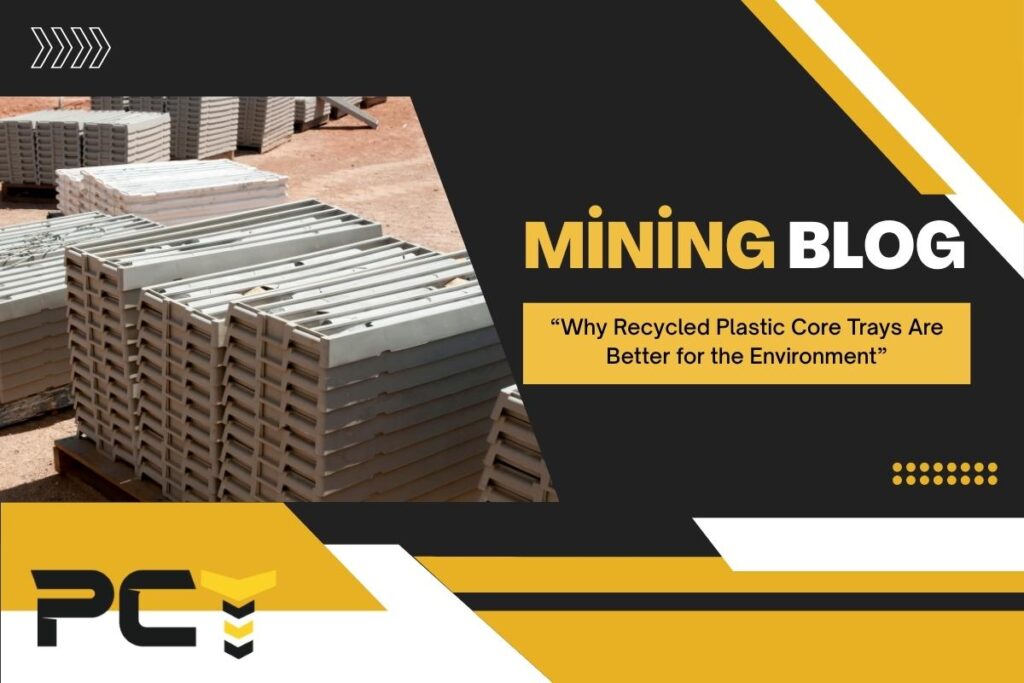
In the mining, exploration, and geology industries, the proper storage and transportation of core samples are critical for data integrity and operational efficiency. Over the years, the plastic core tray has become the industry standard, replacing heavier and less durable materials like wood or steel. Now, with the growing emphasis on sustainability, companies are increasingly shifting toward recycled plastic core trays. These innovative solutions not only deliver exceptional durability but also significantly reduce environmental impact while offering long-term cost benefits.
This article explores in detail why recycled plastic core trays and core sample trays are superior to traditional trays, how they benefit the environment, and why your operation should consider making the switch.
Durability and Strength of Recycled Plastic Core Trays
One of the main advantages of a recycled plastic core tray is its exceptional durability. In mining and exploration, trays are subjected to harsh conditions — exposure to extreme weather, rough handling, and heavy loads. Unlike wood, which can warp or rot, and metal, which can corrode, recycled plastic core trays maintain their shape and strength over years of use.
These trays are designed to resist UV damage, chemical exposure, and impact from heavy samples. This durability directly contributes to a lower overall cost of ownership, as they require fewer replacements compared to conventional core trays.
Environmental Benefits of Using Recycled Materials
The environmental advantages of a recycled plastic core tray go beyond just waste reduction. Each tray is manufactured from high-quality recycled plastics, diverting large volumes of material from landfills. By using post-consumer and post-industrial plastics, manufacturers help close the loop in the plastic lifecycle, supporting a circular economy.
Switching to recycled plastic core trays significantly reduces the carbon footprint associated with producing virgin plastic. This change aligns with global corporate sustainability targets and helps companies meet environmental compliance requirements.
Lighter Weight, Better Handling
A plastic core tray made from recycled material is considerably lighter than traditional steel or aluminium versions. This makes handling easier for workers, improving safety and reducing fatigue during fieldwork.
For remote exploration sites, where equipment must often be transported by helicopter or over rugged terrain, the weight savings of recycled core trays translate directly into lower transport costs.
Cost Efficiency Over the Product Lifecycle
While the initial purchase price of recycled plastic core trays may be similar to or slightly higher than non-recycled alternatives, the overall cost over the lifecycle is often lower. These trays last significantly longer and maintain their structural integrity even under heavy use.
Their resistance to damage means fewer replacements and repairs, reducing both downtime and capital expenditure. In addition, the lightweight nature of core sample trays helps reduce freight costs, especially for bulk shipments.
Improved Core Sample Protection
Core samples are a valuable asset in mining exploration, and protecting them from damage or contamination is crucial. Recycled plastic core trays feature precision-moulded designs that hold cores securely in place, reducing the risk of shifting or breakage during transport.
Many models are designed to stack efficiently, with interlocking features that ensure stability during storage. This maximises warehouse space and makes sample retrieval more organised.
Compatibility with Core Boxes and Accessories
For operations that use core boxes as part of their workflow, compatibility is essential. Recycled plastic core trays are designed to fit seamlessly with standard core boxes and related accessories such as separators, dividers, and chip trays.
This interoperability ensures that your entire core handling system works together smoothly, saving time and reducing handling errors.
Resistance to Extreme Conditions
Exploration and mining projects often take place in extreme environments — from arid deserts to sub-zero Arctic zones. A plastic core tray made from recycled materials is engineered to withstand these conditions without cracking, becoming brittle, or losing structural integrity.
Even in prolonged exposure to sunlight, recycled plastic core trays maintain their UV resistance, preventing material degradation that could compromise the safety of core samples.
Reducing Waste in the Mining Industry
The mining industry has a responsibility to manage its environmental footprint, and adopting recycled plastic core trays is a practical step toward this goal. Every time a company chooses a recycled option over a virgin plastic core tray, it prevents additional plastic from entering the waste stream.
This choice is not only environmentally sound but also demonstrates a commitment to sustainability that can enhance a company’s reputation among investors, partners, and regulatory bodies.
The Future of Core Sample Trays
The future of core sample trays lies in sustainable, high-performance products that meet both operational and environmental demands. Recycled plastic core trays represent the next evolution, offering superior performance while actively contributing to global waste reduction efforts.
As technology advances, we can expect even more innovative features, including ergonomic designs, integrated labelling systems, and materials with enhanced recyclability.
FAQs
-
What is a recycled plastic core tray?
-
A tray made from recycled plastic materials, used for storing and transporting core samples in mining and exploration.
-
-
How does a recycled core tray differ from a standard plastic core tray?
-
It uses post-consumer or post-industrial recycled plastics, reducing environmental impact.
-
-
Are recycled plastic core trays as strong as virgin plastic trays?
-
Yes, they match or exceed the durability of virgin plastic models.
-
-
Do they fit into existing core box systems?
-
Yes, most recycled plastic core trays are compatible with standard core boxes.
-
-
What is the average lifespan of a recycled plastic core tray?
-
With proper care, they can last many years, even in extreme conditions.
-
-
Are they resistant to UV damage?
-
Yes, they are UV-stabilised to prevent degradation from sunlight.
-
-
Can recycled plastic core trays reduce operational costs?
-
Yes, their durability and lightweight design help lower replacement and transport costs.
-
-
Do they require special cleaning?
-
No, they can be cleaned with standard equipment and mild detergents.
-
-
Are they available in different sizes?
-
Yes, they come in various sizes to accommodate different core diameters.
-
-
Why should a mining company switch to recycled plastic core trays?
-
To improve sustainability, reduce environmental impact, and gain long-term cost savings.
-