


Strategic Solutions for the Australian Mining Industry
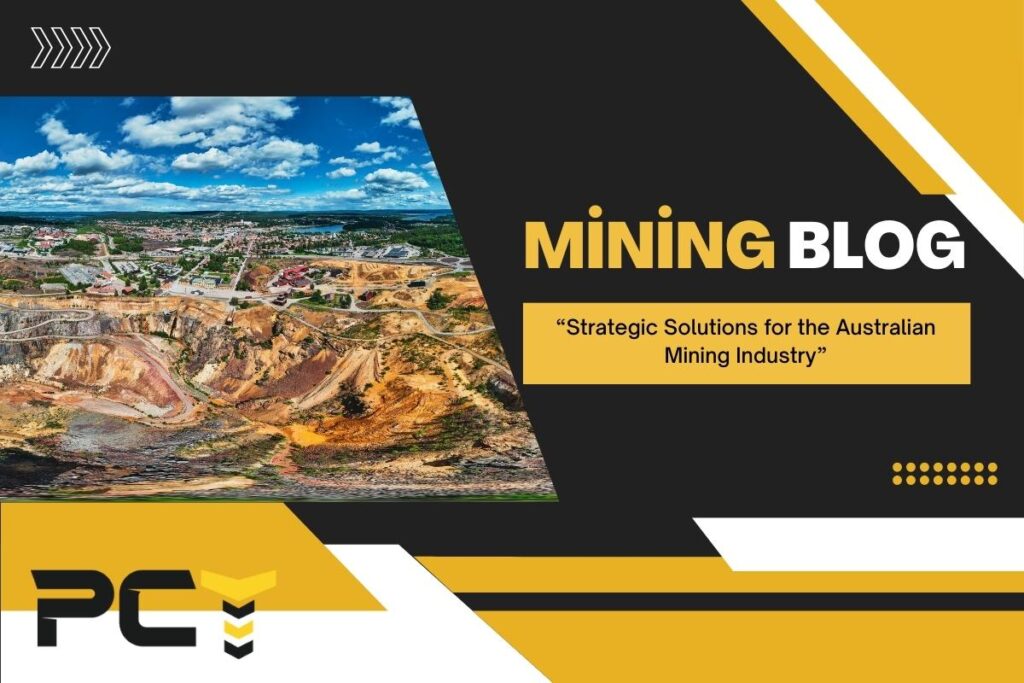
The Australian mining industry is a global powerhouse, serving as a critical pillar of the country’s economy. As a leading producer of essential minerals, including iron ore, bauxite, gold, and the increasingly vital lithium, the sector accounts for an impressive 75% of Australia’s total exports. While this industry drives significant economic growth and employment, it is not without its unique set of challenges—challenges that demand more than just standard equipment. They require strategic, purpose-built solutions that can withstand the operational realities of the world’s most remote and demanding environments.
The geology of Australia is characterized by some of the world’s oldest formations, with rocks dating back billions of years. This ancient history has created a vast array of mineral deposits, necessitating continuous and rigorous exploration and drilling efforts. In this context, the humble core tray is far from a simple container; it is a vital tool for the secure storage and transportation of valuable geological core samples. A compromised core sample can jeopardize a multi-million-dollar project, which is why the integrity and reliability of a core tray are paramount.
Built for the Australian Frontier: Material Resilience and Operational Efficiency
One of the most significant challenges for Australian mining operations is the “tyranny of distance”. Mine sites are often located in remote, inaccessible areas, which leads to high transportation costs and long supply times. Transporting heavy equipment and materials can be a major logistical burden, with costs for heavy machinery ranging from $1,500 to $3,000 for short hauls, and exceeding $70,000 for major interstate moves. For a mining project, every kilogram counts. This is where the durability and lightweight design of plastic core trays prove to be a powerful advantage, minimizing transit damage and reducing freight costs, which ultimately lowers the total cost of ownership.
In addition to remoteness, the Australian climate poses a formidable challenge. Extreme temperatures and intense UV radiation can cause material degradation, brittleness, and a shortened product life for equipment left exposed in open-air core sheds. PCT’s Premium Core Trays are engineered to directly address this. They are manufactured to withstand temperatures from as low as −40∘C to as high as +60∘C, and are fully resistant to UV rays, impacts, and chemicals. This ensures that the trays maintain their structural integrity and protect their contents, whether in the scorching heat of the Pilbara or the cooler climates of Tasmania.
The New Standard: Sustainability as a Strategic Asset
The mining industry is under increasing pressure to adopt more sustainable practices and reduce its environmental footprint. Australia is at the forefront of this movement, with new regulations mandating ESG (Environmental, Social, and Governance) reporting for large businesses, with the first reports due by March 2026. The country has set a national target to reduce waste to landfill by 80% and aims for a $30 billion economic boost from a circular economy by 2030.
PCT’s business model is uniquely positioned to help Australian companies meet these new obligations. By recycling 8,900 tons of plastic annually and powering its own production facilities with a 7.3 MW solar power plant, PCT demonstrates a tangible commitment to environmental stewardship. This approach allows clients to choose a supply chain partner that actively contributes to a circular economy and helps reduce their own Scope 3 emissions—a critical component of the new ESG reporting framework. This is not just a marketing point; it is a strategic business decision that transforms the purchase of a product into an investment in a company’s long-term sustainability goals.
Beyond the Box: Ensuring Data Integrity and Technical Compatibility
The journey of a core sample, from the drill bit in a remote location to the laboratory for analysis, is a complex process. The durability of a core tray is crucial for ensuring that the sample remains intact and correctly organized, preventing data loss or misalignment. The trays are designed for a range of applications, including geotechnical studies, hydrogeology, and oil and gas exploration, highlighting their versatility and importance across multiple sectors.
PCT’s commitment to industry standards such as Wireline, DCDMA, and Metric further reinforces its technical expertise. Wireline drilling, a method used for deep mineral exploration, requires equipment that is compatible with high-efficiency processes. DCDMA standards ensure that drill rods are interchangeable and of consistent quality, which is critical for safety and efficiency on a global scale. The use of the Metric system ensures universal compatibility for international projects. By adhering to these standards, PCT positions itself as a credible and expert partner that understands the technical needs of its clients.
Ultimately, the choice of a core tray is not merely about a product, but about a partnership. In a competitive landscape, where local players like Impala and Rocksmith highlight their “Australian engineered and manufactured” credentials, PCT’s value proposition of global scale, superior durability, and an unwavering commitment to sustainability offers a powerful alternative.
Table 1: PCT Core Trays: Premium vs. Standard Product Comparison
| Feature | Premium Core Trays | Standard Core Trays |
| Material | 100% Original Polypropylene (PP) | 100% Recycled Polypropylene (PP) |
| Sustainability Value | Made from virgin material, but company recycles 8,900 tons of plastic annually | Direct use of recycled material supports circular economy initiatives |
| Durability | Fully resistant to UV rays, impacts, and chemicals | Resistant to UV rays, water, and chemicals |
| Working Temperature | Designed for −40∘C to +60∘C | Not specified, but assumed to be durable for typical field conditions |
| Available Core Sizes | PQ, HQ, NQ | PQ, HQ, NQ, BQ |
| Pricing | Positioned as a higher-cost solution | Positioned as a cost-effective and reliable solution |
Table 2: Key Challenges in Australian Mining and PCT’s Strategic Solutions
| Australian Mining Challenge | Description & Industry Context | PCT’s Business Model Connection | Strategic Differentiator |
| Logistics Costs & Remoteness | Remote mine sites create high transportation costs and long supply times | Lightweight and durable product design reduces freight costs and transit damage | Superior Logistics |
| Harsh Climatic Conditions | Extreme heat and UV radiation degrade materials and shorten equipment life | Premium trays are engineered for extreme temperatures and are fully UV-resistant | Superior Durability |
| New ESG Regulations | Mandatory ESG reporting requires tracking emissions and environmental impact | PCT recycles 8,900 tons of plastic and powers its operations with a 7.3 MW solar plant | Sustainability Leadership |
| Circular Economy Initiatives | National target for 80% waste reduction by 2030 is a key focus for the mining sector | Standard trays are made from 100% recycled polypropylene | Alignment with National Goals |
Conclusion: A New Partner for a Modern Industry
The Australian mining market is in a phase of transition, one that demands a new approach to everything from logistics to sustainability. PCT’s core trays are more than just a product; they are a comprehensive solution designed to meet the complex needs of the industry. The company’s dual-tier product strategy, its use of recycled materials, and its commitment to renewable energy provide a compelling and unique value proposition that aligns perfectly with the future of Australian mining. By choosing a partner that understands and proactively addresses these challenges, companies can not only protect their valuable assets but also build a more responsible and resilient operation.